
When someone you love is living with dementia, everyday tasks can become harder to manage. You may notice that they need more help getting dressed, remembering meals, or taking medication, and wonder how to keep them safe while respecting their independence.
Memory care brings dementia-focused support into daily life through trained caregivers, familiar routines, adapted activities, and surroundings designed with safety in mind. Understanding these differences can help you decide what support your loved one needs and what to look for in a community.
Key Takeaways
- Memory care provides specialized support for people living with Alzheimer’s disease and other forms of dementia.
- It differs from assisted living through its emphasis on dementia-specific training, communication, and care.
- Familiar routines can make daily life easier to follow as memory, orientation, and decision-making change.
- Adapted activities and secure surroundings support participation, comfort, and safety.
- Changes in daily care or supervision needs can prompt a conversation about whether more support is needed.
What Memory Care Means in Senior Living
Memory care is a residential option for people living with Alzheimer’s disease and other forms of dementia. It combines help with everyday needs with support tailored to changes in memory, communication, and judgment.
Services vary by community and care plan, but may include:
- Help with bathing, dressing, grooming, and other personal care
- Medication reminders, management, or administration
- Meals and nutrition support
- Housekeeping and laundry
- 24-hour staff support and supervision
- Activities adapted to different interests and abilities
How Does Memory Care Differ From Assisted Living?
Assisted living and memory care often provide many of the same practical services, including meals, personal care, housekeeping, and activities. Memory care places additional emphasis on how those services are delivered to someone living with dementia.
That may include caregivers with dementia-specific training, communication approaches that account for memory loss, activities adapted to changing abilities, and secure spaces that address wandering concerns.
Some assisted living communities offer dedicated memory care. The name of the setting alone does not tell you everything about its services. What matters is whether the team, environment, and available care can meet your loved one’s needs.
How Memory Care Supports Daily Life With Dementia
Dementia affects each person differently. Someone may need reminders for one task and hands-on help with others. Memory care should adapt to those differences while helping residents continue to make choices and participate in daily life.
Consistent Routines
A familiar rhythm for meals, personal care, activities, and rest can make the day easier to follow. Routines should also leave room for a slower morning, a favorite activity, or additional rest.
Families can help by sharing familiar habits, such as enjoying coffee before breakfast or listening to music in the evening. These details give caregivers a better understanding of what helps a resident feel comfortable.
Specialized Care and Supervision
Dementia-focused care involves how caregivers communicate, offer assistance, and respond when someone feels confused or distressed. A patient approach may include giving one direction at a time, allowing extra time to respond, or offering two simple clothing choices.
Caregivers can help with difficult parts of a task while encouraging residents to do what they can independently.
Comfortable, Secure Surroundings
Wandering and disorientation can create safety concerns for people living with dementia. A memory care community may use secure entrances, monitored outdoor areas, and clear layouts to help residents move through designated spaces.
Safety measures should work alongside everyday comfort. Spaces for walking, resting, visiting, and spending time outdoors can help residents remain involved in community life.
Personalized Activities and Connection
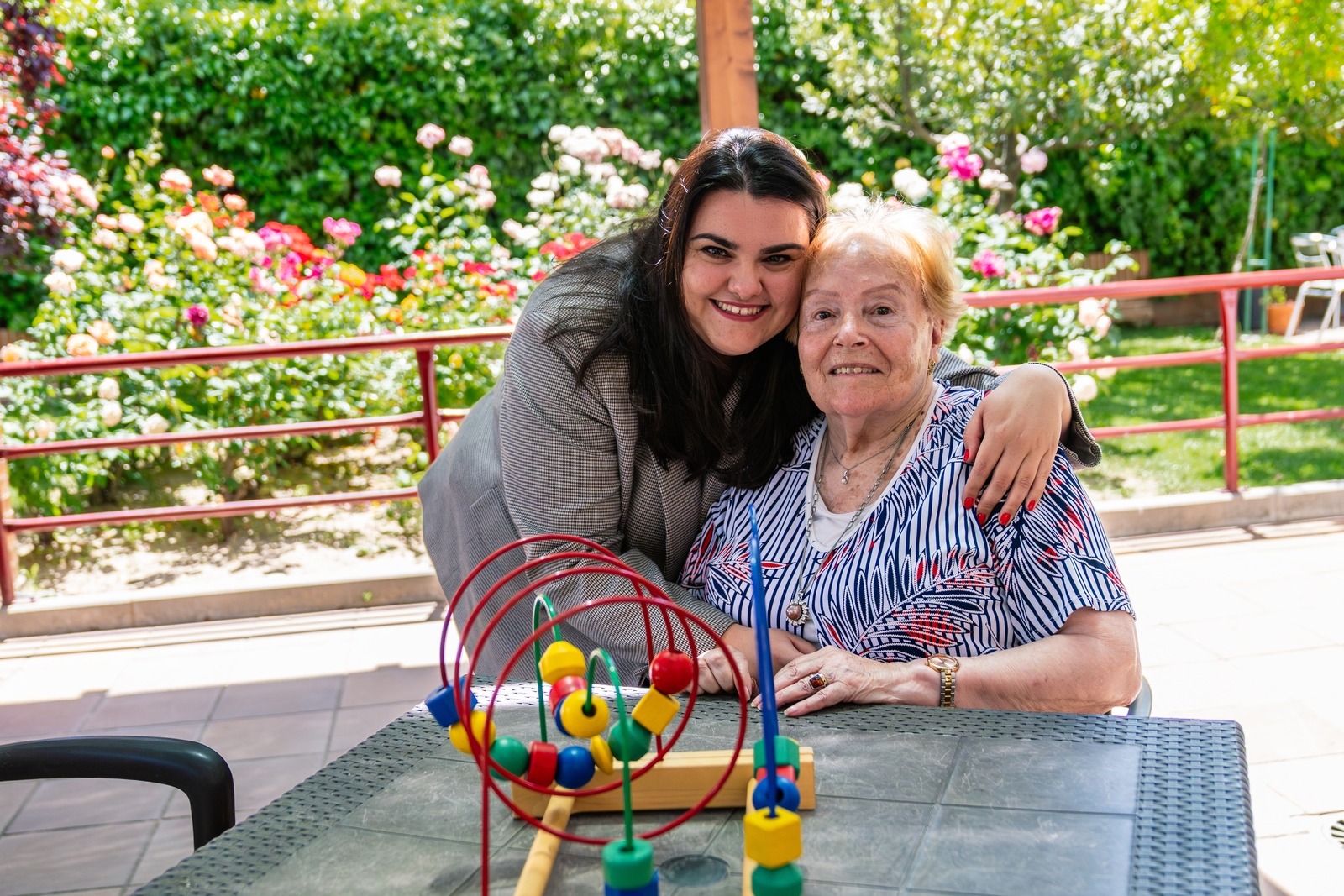
Activities should reflect a resident’s interests and current abilities. Someone who has always enjoyed gardening may like watering plants, while a music lover may respond to familiar songs. Folding towels or helping set a table can also offer a familiar way to participate.
Quieter activities, smaller groups, and one-on-one time may suit residents who find larger gatherings overwhelming. Residents should be able to participate in ways that feel comfortable and meaningful to them.
Signs It May Be Time to Consider Memory Care
Considering memory care can bring uncertainty or guilt. Needing additional support does not lessen the care your family has already provided.
Changes that may prompt a conversation about additional support include:
- Wandering or becoming lost in familiar places
- Missing medications or taking them incorrectly
- Forgetting meals or having trouble preparing food safely
- Needing more help with bathing, dressing, or grooming
- Becoming increasingly confused about time or surroundings
- Requiring more supervision than family can consistently provide
There is no single timeline for this decision, and a dementia diagnosis alone does not determine when residential care is needed. Talk with your loved one’s healthcare team about the changes you have noticed, available care options, and the well-being of family caregivers. Include your loved one in discussions as much as possible.
If confusion or behavior changes suddenly, seek prompt medical evaluation. A sudden change may have another medical cause and should not automatically be attributed to dementia progression.
What to Look for in a Memory Care Community
A tour is a chance to see how memory care works in everyday moments. Notice how caregivers speak with residents, whether people receive help patiently, and how the environment feels. Look for opportunities for residents to make choices and take part at their own pace.
Questions to ask include:
- What dementia-specific training do caregivers receive, and how do they respond when a resident feels distressed?
- What nursing care and supervision are available during the day, overnight, and on weekends?
- How long have caregivers worked here, what is staff turnover like, and how often are agency staff used?
- How are indoor and outdoor areas monitored, and how does the team respond to wandering?
- How are care needs reassessed, and how are residents and families involved in changes?
- How are daily routines and activities adapted to individual preferences and abilities?
- What help is available with meals, medications, and personal care?
- Which services are included in the monthly rate, and which cost extra?
- Who will be our main contact, and how will we receive updates or raise concerns?
The answers should give you a clear picture of the support available and whether it fits your loved one. Their privacy, preferences, and comfort should remain central to the conversation.
Memory Care at The Inn at Fairview in Hudson, NH
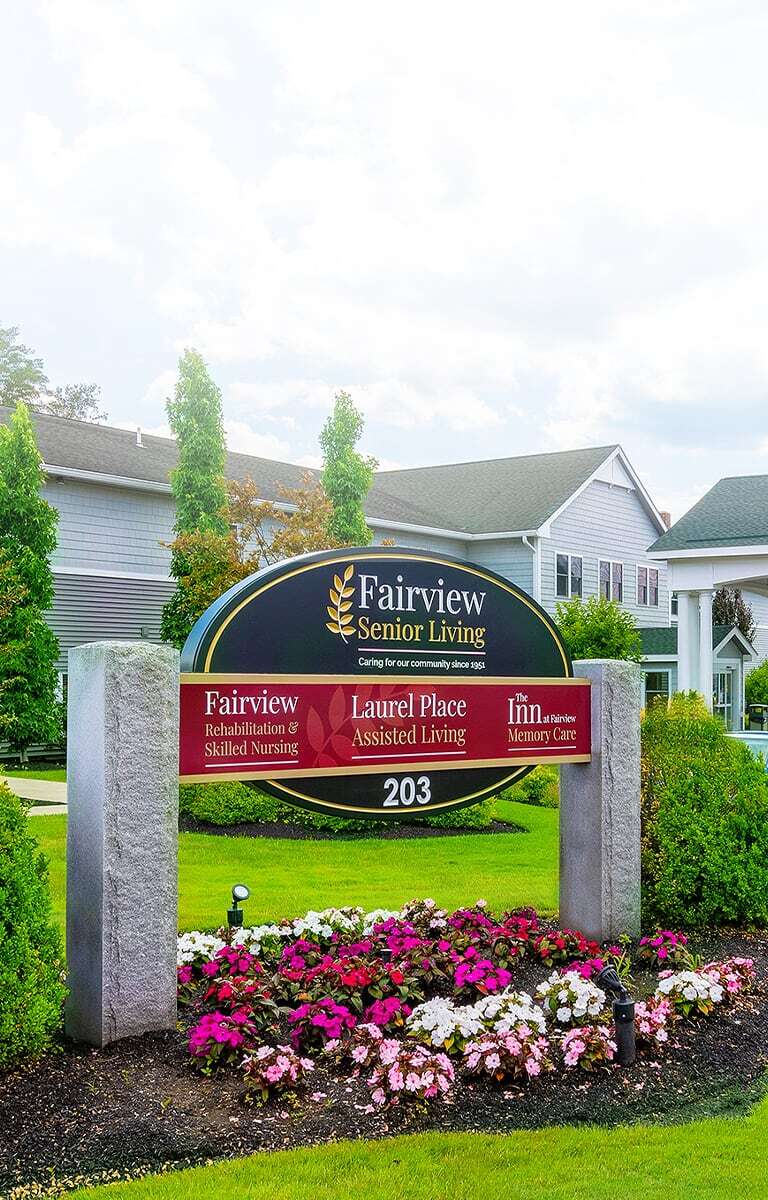
At The Inn at Fairview on the Fairview Senior Living campus in Hudson, NH, our InnSights program focuses on each resident’s individuality. Personalized support and daily programming reflect residents’ preferences and abilities.
Residents receive 24-hour nursing care and supervision, assistance with daily activities, medication administration and management, and nutrition support. Furnished private suites, daily meals, housekeeping, and laundry support everyday comfort.
Music therapy and equine-assisted therapy at Strongwater Farm offer additional opportunities for participation and connection. Our team can share current program availability and discuss what may suit your loved one.
InnSights also provides community education and family support groups, giving families opportunities to learn and connect.
Have questions about memory care? Our team at The Inn at Fairview in Hudson, NH is here to help.