

Key Takeaways
- Short-term rehabilitation can provide therapy, skilled nursing care, and personal support when someone is not yet ready to return home after surgery, illness, injury, or hospitalization.
- Each day is shaped around the person’s care plan and may include therapy sessions, meals, rest, personal care, and opportunities to take part in social programs.
- Physical therapy supports strength, balance, and mobility; occupational therapy focuses on everyday tasks, and speech therapy may address communication or swallowing.
- The length of a rehabilitation stay varies based on medical needs, progress, safety, and discharge goals.
- Medicare usually covers eligible short-term rehabilitation, but coverage requirements, costs, and plan rules vary.
Healing in the Space Between Hospital and Home
Leaving the hospital is an important step forward, but it does not always mean a person is ready to return home safely. After surgery or a serious illness, everyday tasks such as walking, climbing stairs, bathing, or getting dressed may still feel difficult. Families may also be concerned about medication management, wound care, or the possibility of a fall.
Short-term rehabilitation provides a supportive place to continue recovering before returning home. During a temporary stay, residents receive therapy, skilled nursing care, and assistance with daily needs based on their individual health, abilities, and goals.
Every rehabilitation stay is different. The purpose is to help each person regain as much strength, confidence, function, and independence as possible while preparing for the safest next step.
What Happens During a Short-Term Rehabilitation Stay?
A typical day includes scheduled therapy alongside meals, rest, medication administration, personal care, and other medical needs. When a resident feels up to it, there are opportunities to enjoy available activities and social programs.
The schedule is based on the resident’s care plan and can change as recovery progresses. Some days may include more than one type of therapy, while others may require additional rest or medical attention. Throughout the stay, the rehabilitation and nursing teams monitor the resident’s response and adjust care as appropriate.
How Does Short-Term Rehabilitation Support Recovery?
Rehabilitation begins with an evaluation of the person’s current abilities and the skills they need to return to daily life as safely and independently as possible. Goals may include:
- Walking safely with or without an assistive device
- Improving balance, strength, or endurance
- Getting in and out of a bed, chair, or vehicle
- Managing stairs or other features of the home
- Dressing, bathing, grooming, or preparing simple meals
- Improving communication or swallowing
Progress is monitored throughout the stay. Therapy can be adjusted as the resident’s abilities change, while nurses or other members of the care team continue to support medical needs between sessions.
What Types of Therapy Are Available?
The type and amount of therapy a resident receives depends on their condition and recovery goals. At Fairview, short-term rehabilitation may include physical, occupational, and speech therapy.
Physical Therapy
Physical therapy focuses on movement, strength, flexibility, balance, and mobility. These sessions tend to address walking, transferring safely between positions, using a walker or other mobility equipment, preventing falls, managing stairs, or rebuilding endurance after a hospital stay.
Occupational Therapy
Occupational therapy helps one regain the skills needed for everyday life. Sessions may focus on dressing, bathing, grooming, or other routines that have become more difficult after surgery, illness, or injury. The goal is to make daily activities safer and more manageable when the resident returns home.
Speech Therapy
Speech therapy may be recommended when a medical condition affects speech, language, cognition, communication, or swallowing. A speech-language pathologist evaluates the resident’s needs and develops an appropriate treatment plan. Not every rehabilitation stay requires speech therapy.
How Long Does Short-Term Rehabilitation Last?
There is no standard length of stay. Some people may be ready to return home after several days, while others need a few weeks or longer. The timeline depends on factors such as:
- The condition or procedure that led to rehabilitation
- The person’s health and abilities at admission
- Progress toward therapy goals
- Ongoing nursing or medical needs
- Safety and support available at home
- Insurance authorization and coverage
A longer stay is not necessarily a sign that recovery is not going well. Every person heals at a different pace, and the safest discharge plan matters more than comparing one timeline with another.
Does Medicare Cover Short-Term Rehabilitation?
Original Medicare Part A may cover short-term care in a Medicare-certified skilled nursing facility when specific eligibility requirements are met. In most cases, this includes a medically necessary inpatient hospital stay of at least three consecutive days, admission to the skilled nursing facility generally within 30 days of leaving the hospital, and a determination that daily skilled nursing or therapy services are needed. However, the three-day requirement may be waived in certain circumstances, including through some approved Accountable Care Organizations. Some Medicare Advantage plans may also waive this requirement.
Medicare does not automatically cover a full 100-day stay. Coverage can continue for up to 100 days in a benefit period only while the resident remains eligible and needs qualifying skilled care. Under Original Medicare, cost-sharing generally begins on day 21. Medicare Advantage plans have their own networks, authorization requirements, coverage rules, and costs.
Because every situation is different, families should verify benefits with Medicare or the resident’s insurance plan and speak with the hospital discharge planner and Fairview’s admissions team before admission.
Short-Term Rehabilitation at Fairview Senior Living in Hudson
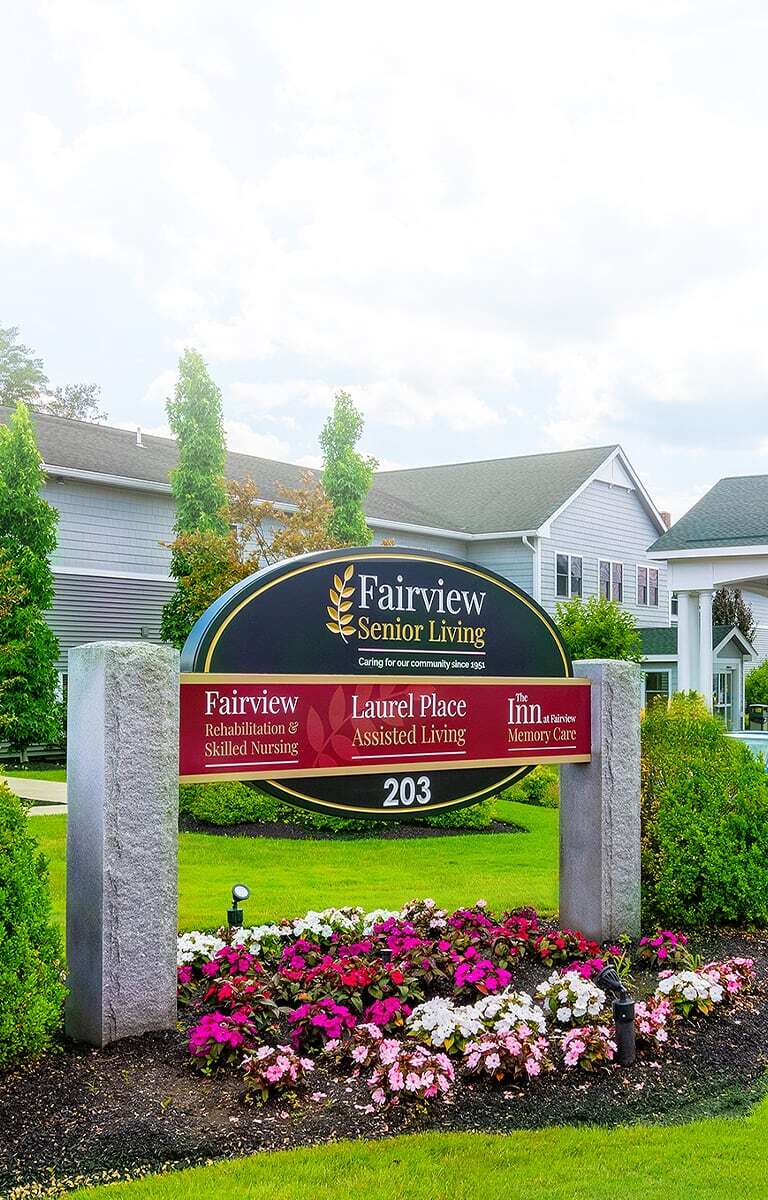
Fairview has cared for families in Hudson and the surrounding communities since 1951. At Fairview Rehabilitation & Skilled Nursing, residents receive individualized therapy, 24-hour skilled nursing care, and personal support in a warm, welcoming environment designed for healing.
Our rehabilitation services and amenities include:
- A 3,000-square-foot rehabilitation gym
- Specialized equipment, including OmniCycle®, NuStep, parallel bars, LiteGait with a treadmill, stairs with rails, and a curb-and-ramp set
- Physical, occupational, and speech therapists
- A multidisciplinary team that includes skilled nurses and physicians
- Comfortable private and semi-private suite options
Because Fairview offers rehabilitation, long-term skilled nursing care, assisted living at Laurel Place, and memory care at The Inn at Fairview on one Hudson campus, families have a trusted continuum of care if needs change over time.
Choosing where to recover is a personal decision, and families deserve clear answers. Contact Fairview Senior Living to learn more about short-term rehabilitation, ask questions about the admissions process, or explore whether Fairview may be the right fit for your needs.